A professional content package begins with evidence. The source material may include approved documents, interview notes, photographs, charts, recordings and links. The job is to turn that material into useful formats without changing the underlying facts.
1.The brief comes before the format
The first decision is not whether to make a video or an article. It is to define the audience, deadline, required facts and approval process. A source package with no publication goal produces activity. A source package with a clear brief produces deliverables.
2.One source, several outputs
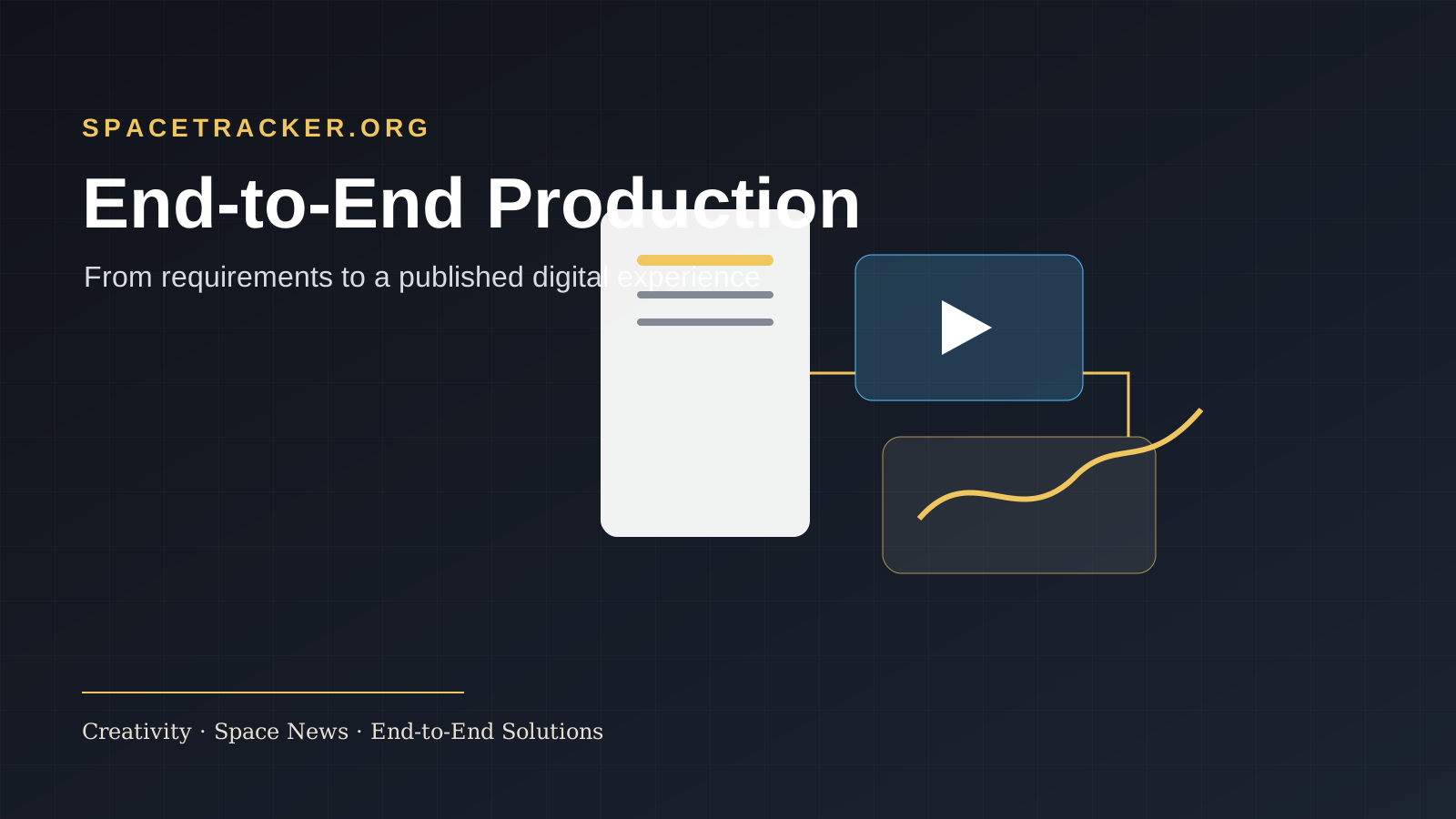
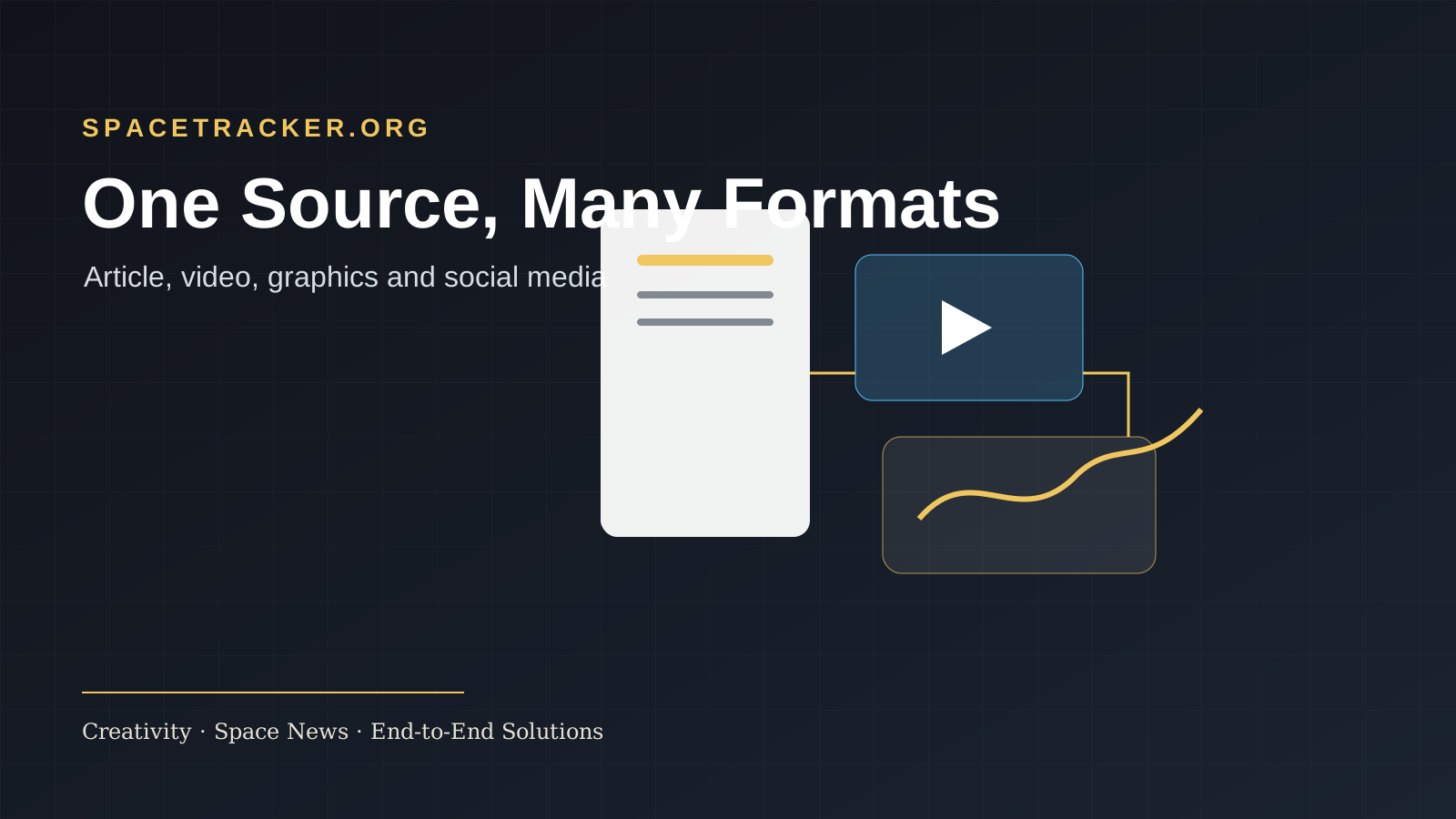
A long-form article can hold the complete explanation. A short video can introduce the main idea. A social post can point readers to the article. A graphic can clarify a number or sequence. Each format should perform a different job rather than repeating the same sentence.
3.Approval and correction
The article should preserve a reference trail. The video should use the same approved facts. The social copy should not make a stronger claim than the article. Consistency is not achieved by copying the same wording everywhere. It is achieved by keeping every format inside the same verified factual boundary.
4.A weekly rhythm
Weekly publishing works best when the editorial desk uses a repeatable schedule: source intake, outline, first draft, visual production, review, publication and correction monitoring. The rhythm leaves room for creativity while keeping the process accountable.
References
- Client-approved source documents and interviews.
- SpaceTracker.org editorial standards.
- Original media files and publication records.